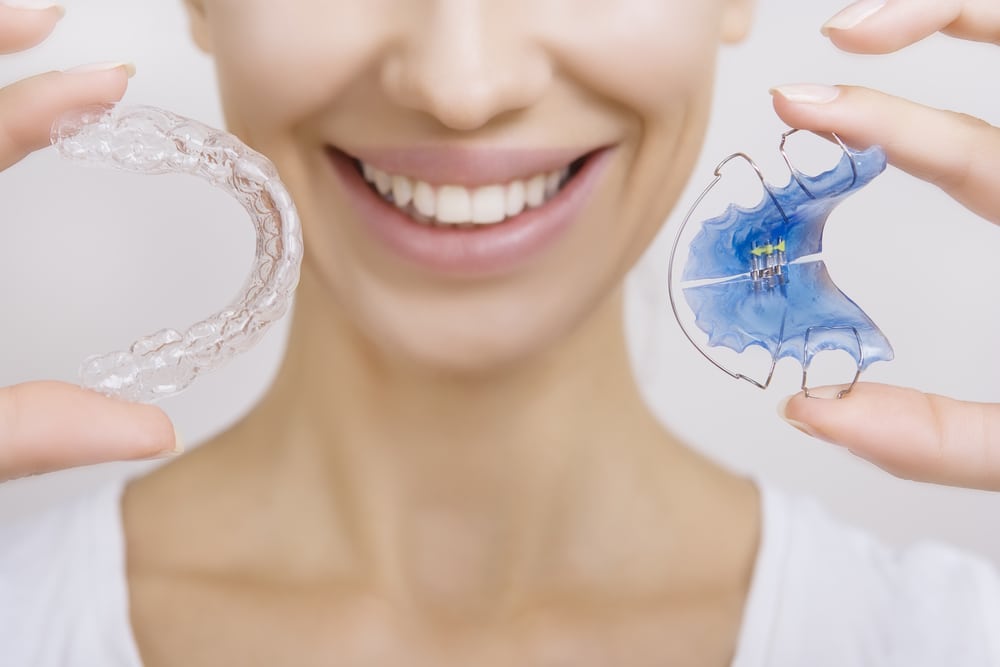

Orthodontists primarily treat patients who need help correcting certain maxillofacial problems, such as misaligned teeth, malocclusion, or too much space between the teeth. Treating these conditions requires the assistance of orthodontic appliances, of which there are many. Orthodontic appliances come in many variations – some being fixed and some being removable. They serve various purposes, from active treatment to maintenance. Some of the most commonly used orthodontic appliances include:
- Braces/Aligners – either fixed or removable; used to gently reposition the teeth into better alignment
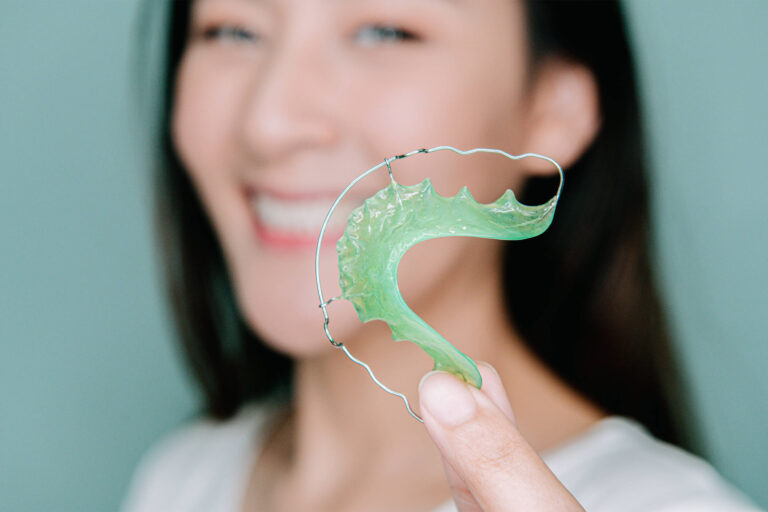
- Retainers – used to prevent teeth from shifting to a prior position
- Splints – used to reposition the jaw, especially in TMJ patients
- Space maintainers – either fixed or removable; used to hold the space where a primary tooth once was until a permanent one can erupt
- Bumpers – used to maintain space and relieve pressure between the teeth and the lips or cheeks.
Did you know?
that braces are the most commonly used fixed orthodontic appliances in the U.S.? Invented in the early 1800s, these devices have since become widely popular. At any given time, at least 4 million people in the U.S. are undergoing orthodontic treatment. The majority of them are children and teens, although the U.S. has seen a sharp increase in adult orthodontics over the past few decades.
Frequently Asked Questions
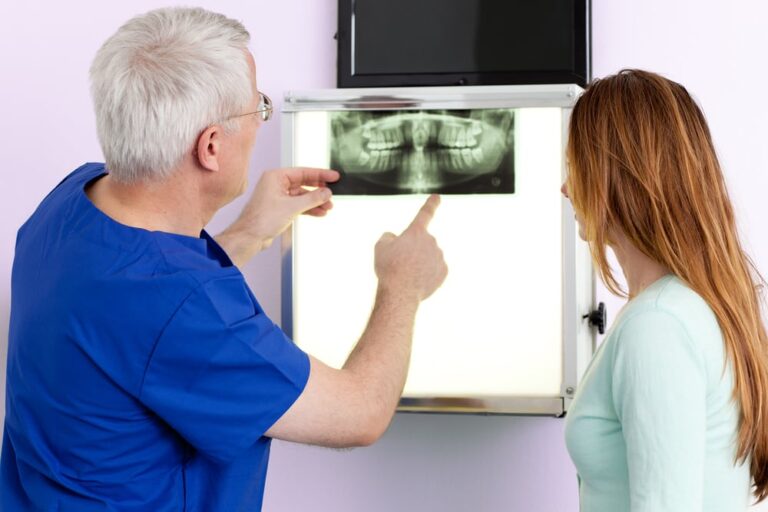
You or your child will only need an appliance if an orthodontist recommends one based on a diagnostic evaluation. Schedule a consultation with your orthodontist to find out more about appliances and whether they can help you achieve your cosmetic and health goals.
If your orthodontist determines that you are a candidate for an oral appliance, you’ll be brought in for a custom fitting. Fixed appliances, such as braces, are applied in the office. Others, such as retainers, are fabricated in a dental lab after your orthodontist takes an impression of your mouth.
Yes, and you will receive those instructions before leaving your orthodontist’s office. Removable appliances must be worn according to your orthodontist’s instructions and also properly cleaned and stored when not in use. Fixed appliances require dietary changes to protect them from becoming a damaged and prolonging treatment.
Over 250 Five-Star Reviews
Patient Testimonials
“I have known Dr. Quo personally and professionally for over 10 years. She has helped both of my kids (9 and 12) with expansion that resulted in better smiles, sleep, and improved academics. As a fellow sleep physician, I cannot recommend any other group more. A huge thanks!”

Verified Patient
4/4/2024
“Doctor Quo and her team were all very knowledgeable, caring, and friendly. Doctor Quo’s knowledge on sleep apnea helped improve my breathing and quality of sleep a lot. Thank you Doctor Quo!”

Verified Patient
8/15/2021
“Dr. Quo is just amazing on every level. She was highly recommended and works closely with the Stanford Sleep Clinic. My 8 year old had severe sleep apnea, and after getting tonsils and adenoids removed, was one of the few not cured. Dr. Quo expanded her palette to create more room. Couldn't be happier, and feel so fortunate to have found her. Just can't say enough positive things about her.”

Verified Patient
7/6/2017

4.9 (272 Reviews)
4.5 (105 Reviews)
5.0 (11 Reviews)