

The process of placing an orthodontic appliance is non-surgical, but it does require special post-procedural instructions to minimize patient discomfort and protect each patient’s appliance from damage. Failure to follow these instructions can prolong treatment, make treatment more costly, or even result in a dental or orthodontic emergency.
Did you know…
that it is normal for orthodontic patients to experience some pain or discomfort following orthodontic treatment? Usually, soreness occurs in the muscles and teeth and can last for one to two days. During this time, many patients find difficulty eating – especially foods that are hard or crunchy. To relieve discomfort, it is recommended that patients temporarily consume a diet of soft foods or otherwise cut harder foods, like apples, into very small bites.
Frequently Asked Questions
Yes. Every directive is given for a reason, so it is imperative that you follow doctor’s recommendations between orthodontic appointments. Also, never leave your orthodontist’s office without the supplies necessary to facilitate post-op care. This may include acquiring orthodontic wax to protect your cheeks and gums from poking wires, or obtaining enough elastic bands and cleaning aids to last until your next orthodontic visit.
Instructions vary from patient to patient and according to treatment. But if you have a fixed orthodontic appliance, you will probably have to follow special dietary guidelines to prevent damage to your braces or other orthodontic appliance. Most dietary restrictions include avoiding foods that are very hard or sticky, such as ice and chewy candies. If you do not have a fixed orthodontic appliance, your post-op instructions will include information about storing and cleansing your device.
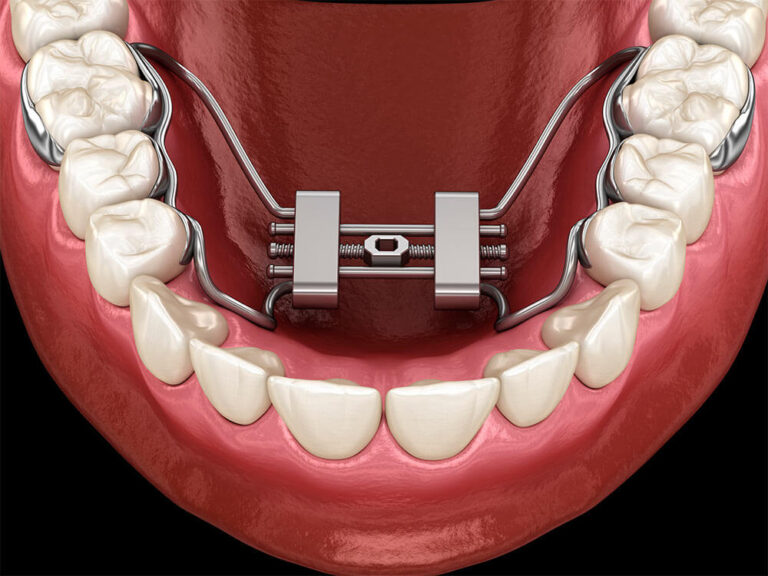
Possibly. There may be some visits where you are told to wear elastics or activate your expander until your next visit. It is important to never leave your orthodontist’s office until you have a thorough understanding of your responsibilities at home. Continue to use proper brushing and flossing techniques, visit your dentist for periodic cleanings and examinations, and contact your orthodontist’s office if you have any post-op questions.
Over 250 Five-Star Reviews
Patient Testimonials
“I have known Dr. Quo personally and professionally for over 10 years. She has helped both of my kids (9 and 12) with expansion that resulted in better smiles, sleep, and improved academics. As a fellow sleep physician, I cannot recommend any other group more. A huge thanks!”

Verified Patient
4/4/2024
“Doctor Quo and her team were all very knowledgeable, caring, and friendly. Doctor Quo’s knowledge on sleep apnea helped improve my breathing and quality of sleep a lot. Thank you Doctor Quo!”

Verified Patient
8/15/2021
“Dr. Quo is just amazing on every level. She was highly recommended and works closely with the Stanford Sleep Clinic. My 8 year old had severe sleep apnea, and after getting tonsils and adenoids removed, was one of the few not cured. Dr. Quo expanded her palette to create more room. Couldn't be happier, and feel so fortunate to have found her. Just can't say enough positive things about her.”

Verified Patient
7/6/2017

4.9 (272 Reviews)
4.5 (105 Reviews)
5.0 (11 Reviews)