
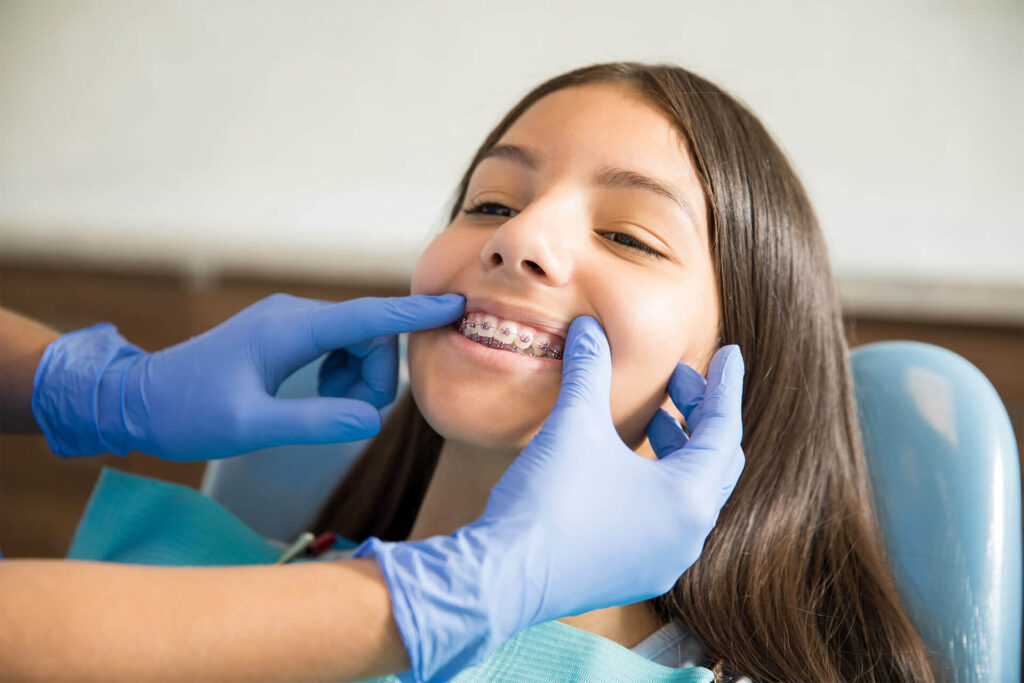
Traditional braces have been a cornerstone of orthodontic treatment for decades, effectively correcting misaligned teeth and bite issues. They apply consistent pressure to gradually move teeth into proper alignment by combining metal or ceramic brackets connected by wires and elastic bands. While clear aligners have grown in popularity, braces remain the preferred option for patients requiring significant or complex corrections.
At Mid Peninsula Orthodontics in Palo Alto, CA, we provide expert orthodontic care tailored to each patient’s needs. Whether you have crowding, gaps, or bite irregularities, traditional braces offer a reliable path to a straighter, healthier smile.
Signs You May Need Traditional Braces
If you experience any of the following orthodontic concerns, traditional braces may be the best solution for you:
- Crooked or misaligned teeth affecting the appearance and function of your smile
- Overbite where the upper teeth extend too far over the lower teeth
- Underbite where the lower teeth sit ahead of the upper teeth
- Crossbite causing one or more teeth to bite incorrectly inside or outside of opposing teeth
- Open bite, preventing the upper and lower teeth from meeting when the mouth is closed
- Crowded teeth making it difficult to maintain proper oral hygiene
- Gaps between teeth affecting the balance and alignment of your smile
Addressing these issues with braces enhances aesthetics and improves long-term oral health and function.
Why Traditional Braces Are Essential for Oral Health
Orthodontic treatment is often seen as a cosmetic enhancement, but traditional braces provide significant health benefits beyond an improved smile. Misaligned teeth can cause uneven pressure on the jaw, leading to discomfort, headaches, and long-term complications like temporomandibular joint (TMJ) disorders.
When teeth are crowded or improperly spaced, they become harder to clean, increasing the risk of plaque buildup, cavities, and gum disease. Braces systematically move teeth into better alignment, ensuring they fit together properly for better chewing efficiency and easier maintenance.
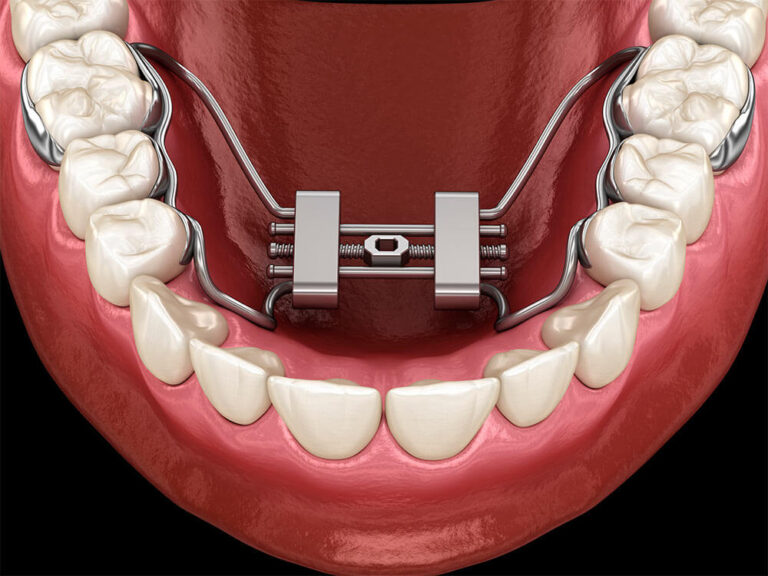
Traditional braces are particularly beneficial for patients with severe malocclusion (bite misalignment) that clear aligners may struggle to correct. Their fixed nature ensures continuous progress, eliminating the risk of patients forgetting to wear them. Over time, braces help create a stable, well-aligned bite that reduces the risk of excessive tooth wear, jaw pain, and speech difficulties.
The Process of Getting Traditional Braces
Orthodontic treatment with traditional braces involves several steps to ensure the best results:
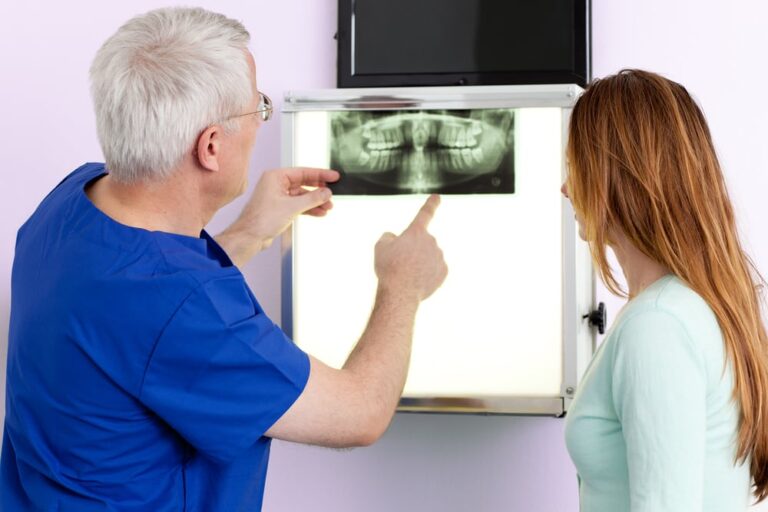
- Initial Consultation and Evaluation: Your orthodontist will conduct a thorough examination, including digital X-rays, photographs, and impressions of your teeth. This helps create a personalized treatment plan tailored to your specific needs.
- Braces Placement: Braces are bonded to each tooth with dental adhesive during this visit. A thin archwire is then threaded through the brackets and secured with elastic bands, initiating tooth movement.
- Routine Adjustments: Every 4 to 6 weeks, adjustments are made to tighten the wires and guide teeth into their desired positions. These visits are crucial to maintaining steady progress and ensuring optimal results.
- Managing Discomfort and Care: Some soreness is expected after adjustments, but it typically subsides within a few days. Patients should follow dietary recommendations and maintain good oral hygiene to prevent plaque buildup around brackets.
- Braces Removal and Retainer Use: Braces are removed once teeth have moved into proper alignment, revealing a straight and healthy smile. To maintain results, patients must wear a retainer as prescribed to prevent teeth from shifting back.
Preventing Orthodontic Issues and Maintaining Oral Health
While some orthodontic problems are hereditary, many can be prevented or managed with proactive dental care.
- Encourage children to avoid habits like thumb-sucking or prolonged pacifier use, which can contribute to misalignment.
- Schedule regular dental checkups to detect early signs of orthodontic concerns before they worsen.
- Maintain a thorough oral hygiene routine, including brushing, flossing, and using an antibacterial mouthwash to keep teeth and gums healthy.
- Wear a protective mouthguard during sports to prevent injuries that could affect tooth alignment.
- Follow dietary recommendations by avoiding sticky, hard, and chewy foods that may damage braces or delay treatment progress.
- Adhere to orthodontist instructions on retainer use after treatment to preserve the final results.
What to Expect After Completing Braces Treatment
After completing orthodontic treatment with traditional braces, patients enjoy a more balanced and functional smile. Properly aligned teeth improve overall bite stability, reduce the risk of dental issues, and enhance self-confidence.
One critical aspect of maintaining results is wearing a retainer as directed by your orthodontist. Retainers prevent teeth from shifting back into their original positions, preserving the progress made during treatment. Proper care allows patients to enjoy a long-lasting, healthy smile that contributes to better oral health and overall well-being.
Frequently Asked Questions About Traditional Braces
The duration of treatment varies depending on the severity of the case, but most patients wear braces for 18 months to 3 years. Your orthodontist will provide a timeline based on your unique needs.
Mild discomfort is common, especially after adjustments, but it usually subsides within a few days. Over-the-counter pain relievers and orthodontic wax can help manage any irritation.
No, traditional braces are effective for both teens and adults. Many adults seek braces to correct misalignment issues and improve their long-term oral health.
Brushing after meals, flossing with a threader or water flosser, and avoiding certain foods will help keep your teeth and braces clean. Regular checkups with your orthodontist are also essential.
Teeth can shift over time without proper retainer use. Wearing a retainer as prescribed by your orthodontist ensures long-lasting results.
Start Your Orthodontic Journey at Mid Peninsula Orthodontics
If you or a loved one are considering traditional braces in Palo Alto, CA, Mid Peninsula Orthodontics is here to help. Our expert orthodontic team provides personalized care and advanced treatments to achieve a straight, healthy smile.
Schedule a consultation today to learn more about your orthodontic options and take the first step toward lifelong oral health and confidence.
Over 250 Five-Star Reviews
Patient Testimonials
“I have known Dr. Quo personally and professionally for over 10 years. She has helped both of my kids (9 and 12) with expansion that resulted in better smiles, sleep, and improved academics. As a fellow sleep physician, I cannot recommend any other group more. A huge thanks!”

Verified Patient
4/4/2024
“Doctor Quo and her team were all very knowledgeable, caring, and friendly. Doctor Quo’s knowledge on sleep apnea helped improve my breathing and quality of sleep a lot. Thank you Doctor Quo!”

Verified Patient
8/15/2021
“Dr. Quo is just amazing on every level. She was highly recommended and works closely with the Stanford Sleep Clinic. My 8 year old had severe sleep apnea, and after getting tonsils and adenoids removed, was one of the few not cured. Dr. Quo expanded her palette to create more room. Couldn't be happier, and feel so fortunate to have found her. Just can't say enough positive things about her.”

Verified Patient
7/6/2017

4.9 (272 Reviews)
4.5 (105 Reviews)
5.0 (11 Reviews)