Malocclusion is a term used to describe misalignment or incorrect positioning of the teeth and jaws. A properly aligned bite ensures that the upper and lower teeth fit harmoniously, allowing for adequate chewing, clear speech, and reduced strain on the jaw joints. When malocclusion is present, it can lead to functional and aesthetic concerns, ranging from mild crowding to severe bite irregularities that require orthodontic intervention.
At Mid Peninsula Orthodontics in Palo Alto, CA, we diagnose and treat malocclusion using personalized orthodontic solutions to improve oral health and overall facial symmetry.
Signs and Symptoms of Malocclusion
Malocclusion varies in severity and can present with a range of symptoms, including:
- Crooked or misaligned teeth that affect smile aesthetics
- Difficulty biting or chewing due to improper tooth alignment
- Overbite, where the upper teeth overlap significantly over the lower teeth
- Underbite, where the lower teeth extend beyond the upper teeth
- Crossbite, where one or more teeth do not align properly with the opposing teeth
- Open bite, preventing proper contact between upper and lower teeth when the mouth is closed
- Speech difficulties, including lisping or trouble pronouncing certain words
- Jaw pain, tension, or frequent headaches caused by strain on the temporomandibular joint (TMJ)
- Uneven tooth wear due to improper bite forces
If you experience any of these symptoms, a comprehensive orthodontic evaluation can determine the extent of your malocclusion and the best course of treatment.
Why Treating Malocclusion Is Important for Oral Health
Many patients assume that malocclusion is purely a cosmetic concern, but untreated bite misalignment can lead to a variety of dental and overall health issues. A poorly aligned bite can cause excessive wear on certain teeth, leading to premature enamel erosion, tooth sensitivity, and an increased risk of fractures.
In addition to dental wear, malocclusion can contribute to jaw pain, TMJ disorders, and chronic headaches due to the strain placed on the jaw muscles. Individuals with severe malocclusion may also experience difficulty chewing properly, which can impact digestion and overall nutrition.
Poorly aligned teeth are also harder to clean, increasing the likelihood of cavities and gum disease due to trapped food particles and plaque buildup. By addressing malocclusion early, patients can reduce long-term dental complications, improve their ability to speak and chew comfortably, and enhance their overall facial balance.
The Process of Treating Malocclusion
Malocclusion treatment depends on the misalignment’s severity and the patient’s age. The following steps outline the typical orthodontic process:
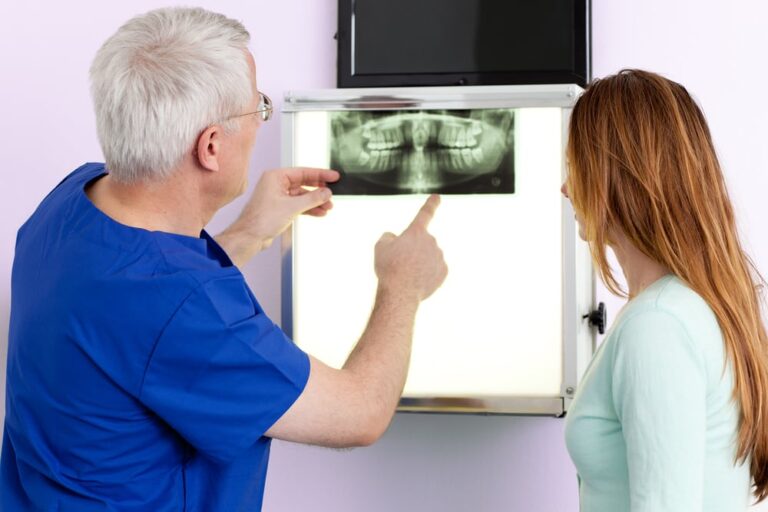
- Initial Consultation and Diagnosis: The first step is a detailed orthodontic evaluation, including X-rays, digital scans, and bite analysis. Your orthodontist will assess your teeth and jaw alignment to determine the severity of malocclusion and recommend the most effective treatment.
- Customized Treatment Plan: A personalized treatment plan is created based on your diagnosis. This may include braces, clear aligners, expanders, or other orthodontic appliances designed to move teeth into proper alignment gradually.
- Orthodontic Treatment Phase
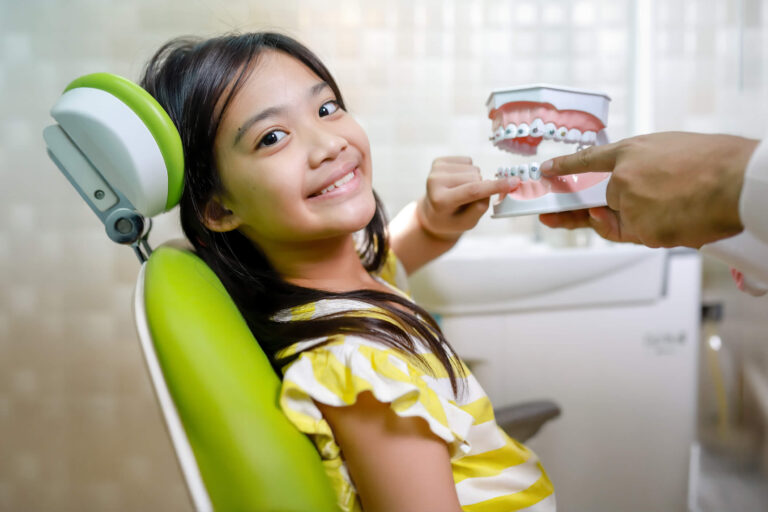
- Traditional Braces: Metal or ceramic braces apply controlled force to shift teeth into ideal positions.
- Invisalign or Clear Aligners: A discreet alternative using custom-made aligners to correct mild to moderate malocclusion.
- Palatal Expanders: Often used in children to widen the upper jaw and create more space for proper tooth alignment.
- Functional Appliances: Devices that help guide jaw growth and improve bite positioning in younger patients.
- Regular Monitoring and Adjustments: Patients will have regular orthodontic checkups throughout treatment to ensure progress is on track. Adjustments may be made to optimize tooth movement and improve bite alignment.
- Completion and Retainer Phase: Once teeth have been successfully aligned, retainers are provided to maintain the results and prevent relapse. Wearing a retainer as directed is essential for long-term stability.
Preventing Malocclusion and Maintaining a Healthy Bite
While some cases of malocclusion are genetic, certain habits and early interventions can help reduce the risk of severe bite misalignment.
- Encourage children to break habits like thumb-sucking, prolonged pacifier use, or tongue thrusting, which can contribute to bite irregularities.
- Schedule early orthodontic evaluations, as early intervention can simplify treatment and prevent worsening misalignment.
- Maintain excellent oral hygiene to prevent cavities and gum disease, which can affect tooth positioning over time.
- Address missing or lost teeth promptly to prevent surrounding teeth from shifting into undesirable positions.
- Wear protective mouthguards during sports to avoid dental trauma that could impact alignment.
- Follow all orthodontic recommendations for post-treatment retainer use to maintain bite stability.
What to Expect After Malocclusion Treatment
Once malocclusion is corrected, patients experience improved oral function, enhanced facial aesthetics, and long-term dental stability. Properly aligned teeth reduce the risk of TMJ disorders, uneven wear, and speech difficulties while making it easier to maintain good oral hygiene.
Patients often notice increased self-confidence as their smiles become more symmetrical and aesthetically pleasing. With a well-balanced bite, chewing becomes more efficient, minimizing digestive issues related to improper food breakdown.
To ensure lasting results, consistent retainer wear is crucial after orthodontic treatment. Regular dental visits and good oral hygiene habits will further support long-term dental health.
Frequently Asked Questions About Malocclusion
Genetic factors, childhood habits like thumb-sucking, premature tooth loss, or jaw development issues can cause malocclusion. Early orthodontic evaluations can help detect and address these problems before they worsen.
No, untreated malocclusion can lead to jaw pain, tooth wear, difficulty chewing, and an increased risk of cavities and gum disease due to improper tooth positioning.
The best treatment depends on the severity of misalignment. Options include traditional braces, Invisalign, expanders, and functional appliances. Your orthodontist will recommend the most suitable approach based on your specific needs.
Yes, orthodontic treatment is effective at any age. Many adults choose Invisalign or ceramic braces for a more discreet treatment experience.
Treatment duration varies depending on the severity of the case but typically ranges from 12 to 36 months. Your orthodontist will provide a personalized timeline based on your specific situation.
Improve Your Bite and Smile with Mid Peninsula Orthodontics
If you’re experiencing bite misalignment or struggling with symptoms of malocclusion, Mid Peninsula Orthodontics in Palo Alto, CA, offers expert orthodontic care to correct these issues effectively. Our advanced treatment options ensure a healthier, more confident smile with long-term stability.
Schedule a consultation today to learn more about how we can help you achieve optimal bite alignment and lasting oral health.
Orthodontics is not merely for improving the aesthetics of the smile; orthodontic treatment improves a “bad bite” (malocclusion). A malocclusion occurs as a result of tooth or jaw misalignment, and it can affect the way you smile, chew, clean your teeth, or feel about your smile.
Why Treat Malocclusions
According to studies by the American Association of Orthodontists, untreated malocclusions can result in a variety of problems:
- Crowded teeth are more difficult to properly brush and floss, which may contribute to tooth decay and/or gum disease.
- Protruding teeth are more susceptible to accidental chipping.
- Crossbites can result in unfavorable growth and uneven tooth wear.
- Openbites can result in tongue-thrusting habits and speech impediments.
Ultimately, orthodontics does more than make a pretty smile – it creates a healthier you.
Over 250 Five-Star Reviews
Patient Testimonials
“I have known Dr. Quo personally and professionally for over 10 years. She has helped both of my kids (9 and 12) with expansion that resulted in better smiles, sleep, and improved academics. As a fellow sleep physician, I cannot recommend any other group more. A huge thanks!”

Verified Patient
4/4/2024
“Doctor Quo and her team were all very knowledgeable, caring, and friendly. Doctor Quo’s knowledge on sleep apnea helped improve my breathing and quality of sleep a lot. Thank you Doctor Quo!”

Verified Patient
8/15/2021
“Dr. Quo is just amazing on every level. She was highly recommended and works closely with the Stanford Sleep Clinic. My 8 year old had severe sleep apnea, and after getting tonsils and adenoids removed, was one of the few not cured. Dr. Quo expanded her palette to create more room. Couldn't be happier, and feel so fortunate to have found her. Just can't say enough positive things about her.”

Verified Patient
7/6/2017

4.9 (272 Reviews)
4.5 (105 Reviews)
5.0 (11 Reviews)