
Take the first step today
965 High St. Palo Alto, CA 94301

Orthodontic Two-Phase Treatment

Orthodontic Two-Phase Treatment

Two-phase orthodontic treatment is a specialized approach for children who require early intervention to correct significant dental and jaw alignment issues. This process involves two separate stages of treatment, allowing orthodontists to guide jaw growth and tooth alignment to prevent more complex problems later in life.

By addressing orthodontic concerns in two stages, this treatment approach ensures that the child’s teeth and jaw develop correctly, reducing the need for extractions or more invasive procedures in the future. At Mid Peninsula Orthodontics in Palo Alto, CA, we specialize in two-phase treatment plans that help children achieve a well-aligned, healthy smile with minimal long-term complications.

Signs Your Child May Need Two-Phase Treatment

Early evaluation is key to determining if a child will benefit from two-phase treatment. Your child may be a candidate if they have:

  • Early or late loss of baby teeth affecting permanent tooth eruption
  • Crowding or spacing issues that could worsen as permanent teeth come in
  • Crossbite, overbite, or underbite affecting jaw function
  • Jaw growth discrepancies leading to facial asymmetry
  • Difficulty chewing, biting, or speaking clearly
  • Prolonged habits like thumb-sucking or tongue-thrusting, affecting bite alignment
  • Mouth breathing or sleep disturbances due to improper jaw positioning

These issues can become more severe if left untreated, requiring more extensive orthodontic correction in adolescence or adulthood.

Why Two-Phase Treatment is a Beneficial Approach

Two-phase treatment provides a structured and proactive way to address orthodontic problems before the teeth fully develop. Unlike waiting until all permanent teeth have emerged, this method allows orthodontists to intervene at the optimal growth stages, improving long-term results.

Benefits of two-phase treatment include:

  • Guiding jaw development to create adequate space for permanent teeth
  • Reducing the risk of impacted teeth or severe crowding
  • Preventing the need for tooth extractions or jaw surgery later in life
  • Improving facial symmetry and bite function
  • Addressing harmful oral habits before they cause permanent alignment issues
  • Shortening the second phase of treatment, making it more efficient and comfortable

Treating alignment and growth issues early, two-phase orthodontics ensures that a child’s developing smile stays healthy and properly aligned as they grow.

The Process of Two-Phase Orthodontic Treatment

This treatment is divided into two distinct phases, with a resting period in between.

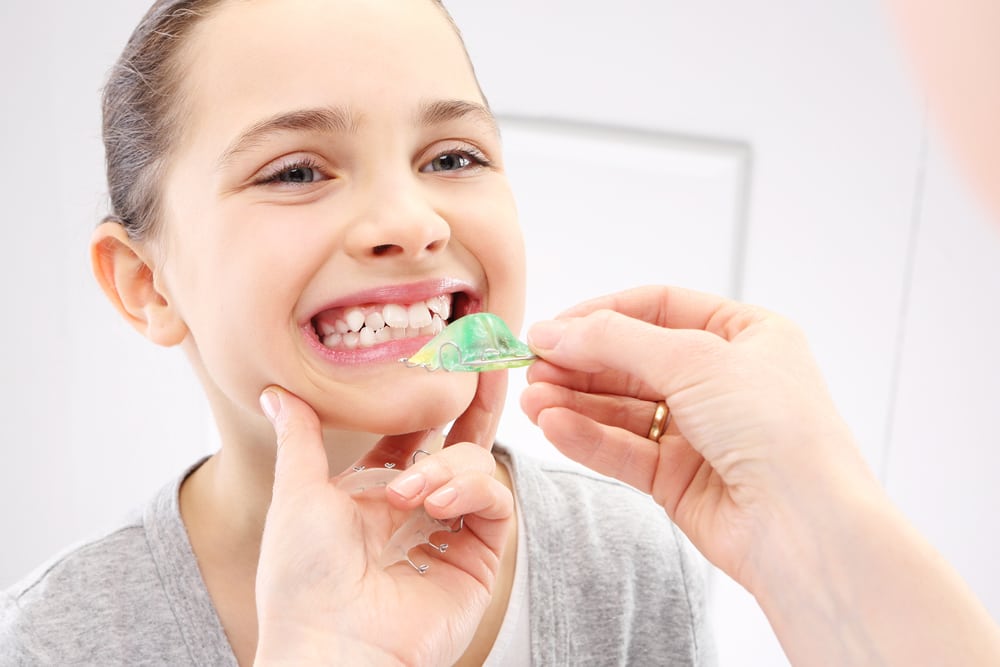
  • Phase One: Early Intervention (Ages 6-10): The first phase focuses on guiding jaw development and creating space for permanent teeth. Common treatments used during this stage include:
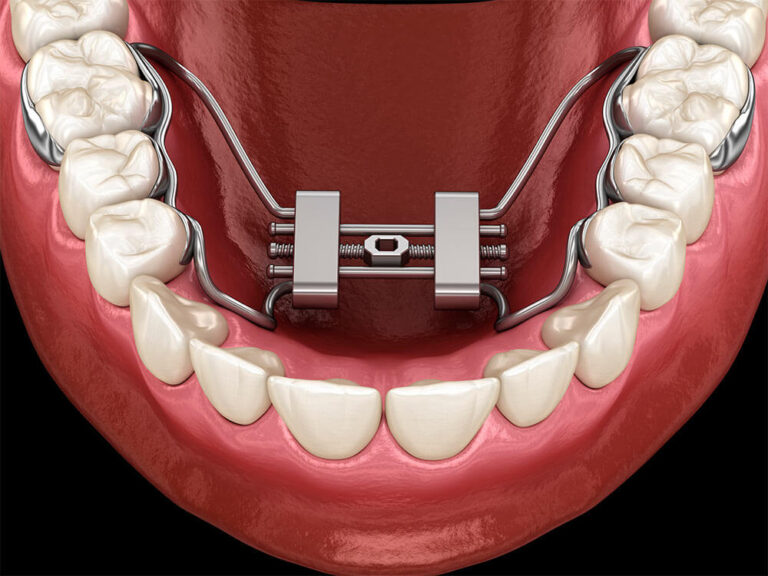
    • Palatal expanders to widen the upper jaw and correct crossbites
    • Space maintainers to prevent premature shifting if baby teeth are lost early
    • Partial braces or limited aligners for minor tooth movement
    • Habit correction appliances to stop thumb-sucking or tongue-thrusting
  • This phase typically lasts 6 to 12 months, after which a resting period follows to allow for natural dental development.
  • Resting Period (Ages 10-12): During this phase, the child’s teeth are monitored as remaining permanent teeth erupt. No active treatment is performed, but regular checkups ensure proper alignment and spacing.
  • Phase Two: Final Alignment (Ages 12-14): Once all permanent teeth have come in, the second phase begins. This stage focuses on finalizing alignment and achieving a stable bite using:
    • Full braces or Invisalign to straighten teeth and refine the bite
    • Additional appliances if needed to fine-tune jaw positioning
    • Retention phase with a retainer to maintain results and prevent relapse
  • Phase two typically lasts 12 to 24 months, depending on the complexity of alignment needs.
asian teenage girl holding dental aligners

How to Maintain Oral Health During Two-Phase Treatment

Caring for teeth during two-phase treatment is essential for achieving successful results and maintaining long-term oral health. Parents and children should prioritize proper brushing and flossing, paying extra attention to cleaning around braces and orthodontic appliances to prevent plaque buildup and cavities. Following dietary recommendations is equally important, as avoiding sticky or hard foods can help protect orthodontic devices from damage.

Regular dental checkups are crucial for oral health, ensuring early detection of any issues and keeping teeth and gums in optimal condition. Attending all scheduled orthodontic visits allows for necessary adjustments and helps track progress throughout treatment. Using fluoride toothpaste designed explicitly for orthodontic care strengthens enamel and reduces the risk of decay.

Once phase two of treatment is complete, wearing a retainer as prescribed is essential to maintaining the newly aligned teeth and preventing them from shifting back. By following these guidelines consistently, children can enjoy a smooth orthodontic experience and achieve a healthy, confident smile that lasts a lifetime.

What to Expect After Completing Two-Phase Treatment

After finishing two-phase orthodontic treatment, children benefit from a well-aligned smile and a properly functioning bite. Because early intervention prevents severe misalignment, the treatment process is often shorter and more comfortable than waiting until adolescence for full correction.

Long-term benefits include:

  • A balanced, symmetrical facial appearance
  • Proper jaw function, reducing the risk of TMJ disorders and jaw pain
  • Easier oral hygiene, leading to a lower risk of cavities and gum disease
  • A confident smile with long-lasting stability

Patients can enjoy the lasting results of their orthodontic treatment by following all post-treatment care instructions, including wearing retainers.

Frequently Asked Questions About Two-Phase Treatment

Two-phase treatment can reduce the need for extractions, surgery, or prolonged braces in the future by addressing alignment and jaw growth issues early.

Most children will still need braces or aligners in phase two, but treatment is often shorter and less complex because major structural issues have already been addressed.

Delaying treatment can lead to more severe alignment issues that require extractions, jaw surgery, or longer orthodontic treatment in the future.

An orthodontic evaluation around age 7 will determine whether early intervention is needed based on jaw growth, bite function, and tooth spacing.

While two-phase treatment involves two separate stages, it can prevent costly and extensive treatments later, making it a cost-effective solution for complex cases.

Give Your Child the Best Start with Two-Phase Orthodontic Care

We are committed to providing proactive, customized orthodontic solutions for growing smiles at Mid Peninsula Orthodontics in Palo Alto, CA. Two-phase treatment allows us to address orthodontic concerns at the proper developmental stages, ensuring healthier and more stable results.

Schedule a consultation today to learn how two-phase treatment can set the foundation for a lifetime of healthy, confident smiles.

Over 250 Five-Star Reviews

Patient Testimonials

google-logo-grey

4.9 (272 Reviews)

yelp-logo-grey

4.5 (105 Reviews)

healthgrades-logo-grey


facebook-logo-grey

5.0 (11 Reviews)

More Services

Dental braces on the teeth of a young teenage girl

SureSmile

SureSmile is an innovative orthodontic treatment that combines advanced digital technology with custom-designed archwires to straighten teeth more efficiently and accurately than traditional braces. Unlike

Read More »

Main Menu

Quality Control

O360-Logo 2020 light version sma