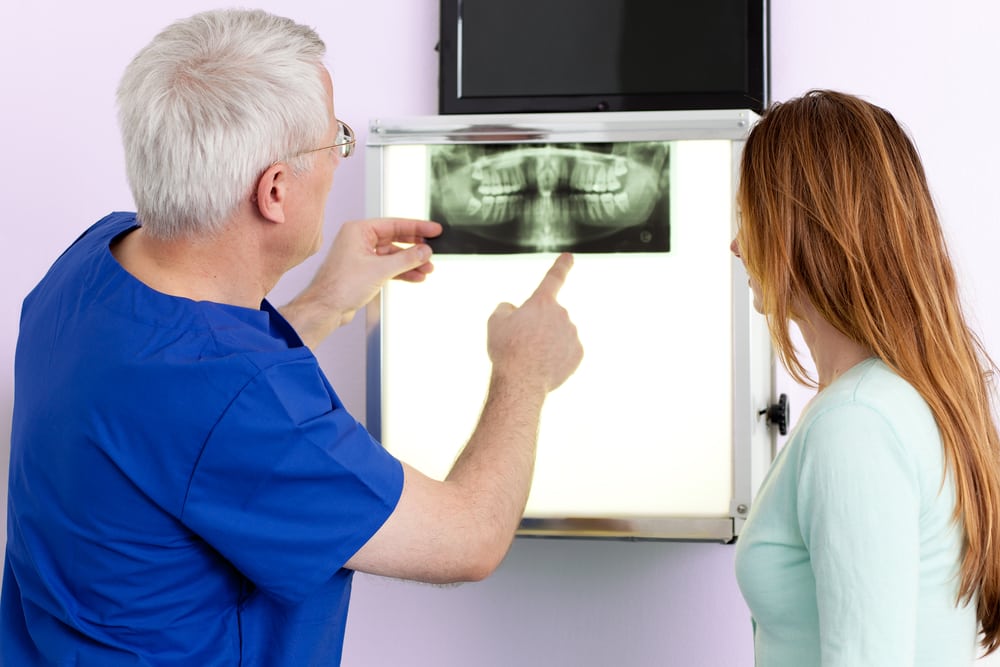

Orthognathic surgery, commonly known as corrective jaw surgery, is a specialized procedure designed to address upper and lower jaw misalignments. This surgical approach helps improve bite function, correct facial imbalances, and alleviate chewing, breathing, and speech issues. While orthodontic treatments like braces or aligners can correct minor misalignments, orthognathic surgery is necessary for jaw structure requiring repositioning.
At Mid Peninsula Orthodontics in Palo Alto, CA, we work closely with experienced oral and maxillofacial surgeons to develop customized treatment plans for patients who require jaw correction. Whether addressing severe bite misalignment, sleep apnea, or facial asymmetry, orthognathic surgery can significantly enhance both function and aesthetics.
Signs You May Need Orthognathic Surgery
Jaw misalignment can cause various issues that affect dental and overall health. You may be a candidate for orthognathic surgery if you experience:
- Difficulty biting, chewing, or swallowing due to improper jaw alignment
- A noticeably misaligned bite, such as an overbite, underbite, or crossbite
- Jaw pain, chronic headaches, or TMJ-related discomfort
- Breathing difficulties, including obstructive sleep apnea
- Facial asymmetry or an unbalanced jawline
- Excessive wear on teeth due to uneven pressure
- Speech difficulties caused by jaw misalignment
- An inability to close your lips comfortably due to jaw positioning
If orthodontic treatment alone is not enough to correct these concerns, orthognathic surgery may be the best solution.
Why Orthognathic Surgery is Essential for Jaw Health
Jaw misalignment can lead to long-term dental, skeletal, and overall health complications. When the upper and lower jaws do not meet correctly, it can cause excessive strain on the teeth and temporomandibular joint (TMJ), increasing the risk of chronic pain and dysfunction.
Beyond functional concerns, jaw irregularities can also impact facial balance and self-confidence. Orthognathic surgery improves not only how the jaw functions but also how it enhances the natural symmetry of the face.
Patients who undergo jaw surgery often experience:
- Improved bite function and reduced jaw discomfort
- Enhanced facial balance and appearance
- Easier chewing and digestion due to better jaw positioning
- Reduction in TMJ-related pain and headaches
- Improved breathing, especially for those with sleep apnea
- Long-term stability in jaw alignment and oral health
The Process of Orthognathic Surgery
Corrective jaw surgery is a carefully planned, multi-step process involving orthodontic and surgical phases.
- Initial Consultation and Evaluation: To assess the jaw’s structure and determine the extent of misalignment, a thorough examination, including digital imaging, X-rays, and 3D scans, is conducted.
- Pre-Surgical Orthodontic Treatment: In many cases, patients must wear braces or clear aligners for several months before surgery to properly align the teeth in preparation for jaw repositioning.
- Surgical Procedure: The surgery is performed by an oral and maxillofacial surgeon under general anesthesia. The jawbones are carefully repositioned, and small plates or screws may be used to secure them in place. The procedure typically lasts a few hours, depending on the complexity.
- Recovery and Healing: After surgery, patients typically experience swelling and temporary discomfort, which subside within a few weeks. A soft diet is required during the initial healing phase, and follow-up visits ensure proper recovery.
- Post-Surgical Orthodontic Refinement: After healing, minor orthodontic adjustments may be made to ensure the teeth and jaws are aligned optimally.
How to Maintain Oral Health During Orthognathic Treatment
Proper care before and after surgery is essential to achieving the best results and a smooth recovery.
- Follow all pre-surgical and post-surgical instructions provided by your orthodontist and surgeon
- Maintain good oral hygiene with gentle brushing and rinsing to prevent infection
- Adhere to a soft-food diet during the initial recovery phase to avoid strain on the jaw
- Attend all follow-up appointments to monitor healing progress
- Avoid smoking and alcohol, as they can slow down recovery
- Practice prescribed jaw exercises to regain full function after healing
What to Expect After Orthognathic Surgery
Patients undergoing jaw surgery typically experience life-changing improvements in function and appearance. Once fully healed, benefits include:
- A well-aligned bite that enhances chewing efficiency
- Reduced strain on the jaw and surrounding muscles
- Improved facial harmony and symmetry
- Relief from chronic jaw pain, headaches, or sleep apnea symptoms
- A long-term, stable solution for misalignment issues
With proper post-surgical care and orthodontic follow-ups, the results of orthognathic surgery can last a lifetime.
Frequently Asked Questions About Orthognathic Surgery
While discomfort is common during the initial healing phase, pain is managed with prescribed medications and typically subsides within a few weeks.
Initial swelling and discomfort improve within two to three weeks, but full recovery and bone healing can take several months.
In most cases, pre- and post-surgical orthodontic treatment is necessary to ensure proper teeth alignment before and after jaw repositioning.
Results are permanent if patients follow post-surgical care instructions and wear retainers as prescribed to maintain alignment.
Yes, orthognathic surgery can enhance facial symmetry and balance, providing a more natural and proportionate look.
Improve Your Jaw Function and Smile with Orthognathic Surgery
If you are experiencing jaw misalignment, chronic discomfort, or bite irregularities, orthognathic surgery may be the solution for you. At Mid Peninsula Orthodontics in Palo Alto, CA, we collaborate with leading oral surgeons to provide a comprehensive and effective treatment plan for long-term results.
Schedule a consultation today to learn more about how corrective jaw surgery can improve your health, function, and confidence.
Corrective jaw surgery (orthognathic surgery) treats and corrects abnormalities of the facial bones, specifically the jaws and the teeth. Often, these abnormalities cause difficulty associated with chewing, talking, sleeping and other routine activities. Orthognathic surgery corrects these problems and, in conjunction with orthodontic treatment, will improve the overall appearance of the facial profile.
State-of-the-art materials such as titanium plates and miniature screws provide stability, strength and predictability to your treatment. These advances in technology, procedures and equipment reduce post-surgical recovery time, thus allowing patients to return to their normal routines soon after the surgery.
Orthognathic surgery may be unnecessary if orthodontic treatment alone can correct the problem. With the latest advances in orthodontics, this is sometimes the case. We will determine if orthognathic surgery is the correct treatment option for you.
Over 250 Five-Star Reviews
Patient Testimonials
“I have known Dr. Quo personally and professionally for over 10 years. She has helped both of my kids (9 and 12) with expansion that resulted in better smiles, sleep, and improved academics. As a fellow sleep physician, I cannot recommend any other group more. A huge thanks!”

Verified Patient
4/4/2024
“Doctor Quo and her team were all very knowledgeable, caring, and friendly. Doctor Quo’s knowledge on sleep apnea helped improve my breathing and quality of sleep a lot. Thank you Doctor Quo!”

Verified Patient
8/15/2021
“Dr. Quo is just amazing on every level. She was highly recommended and works closely with the Stanford Sleep Clinic. My 8 year old had severe sleep apnea, and after getting tonsils and adenoids removed, was one of the few not cured. Dr. Quo expanded her palette to create more room. Couldn't be happier, and feel so fortunate to have found her. Just can't say enough positive things about her.”

Verified Patient
7/6/2017

4.9 (272 Reviews)
4.5 (105 Reviews)
5.0 (11 Reviews)